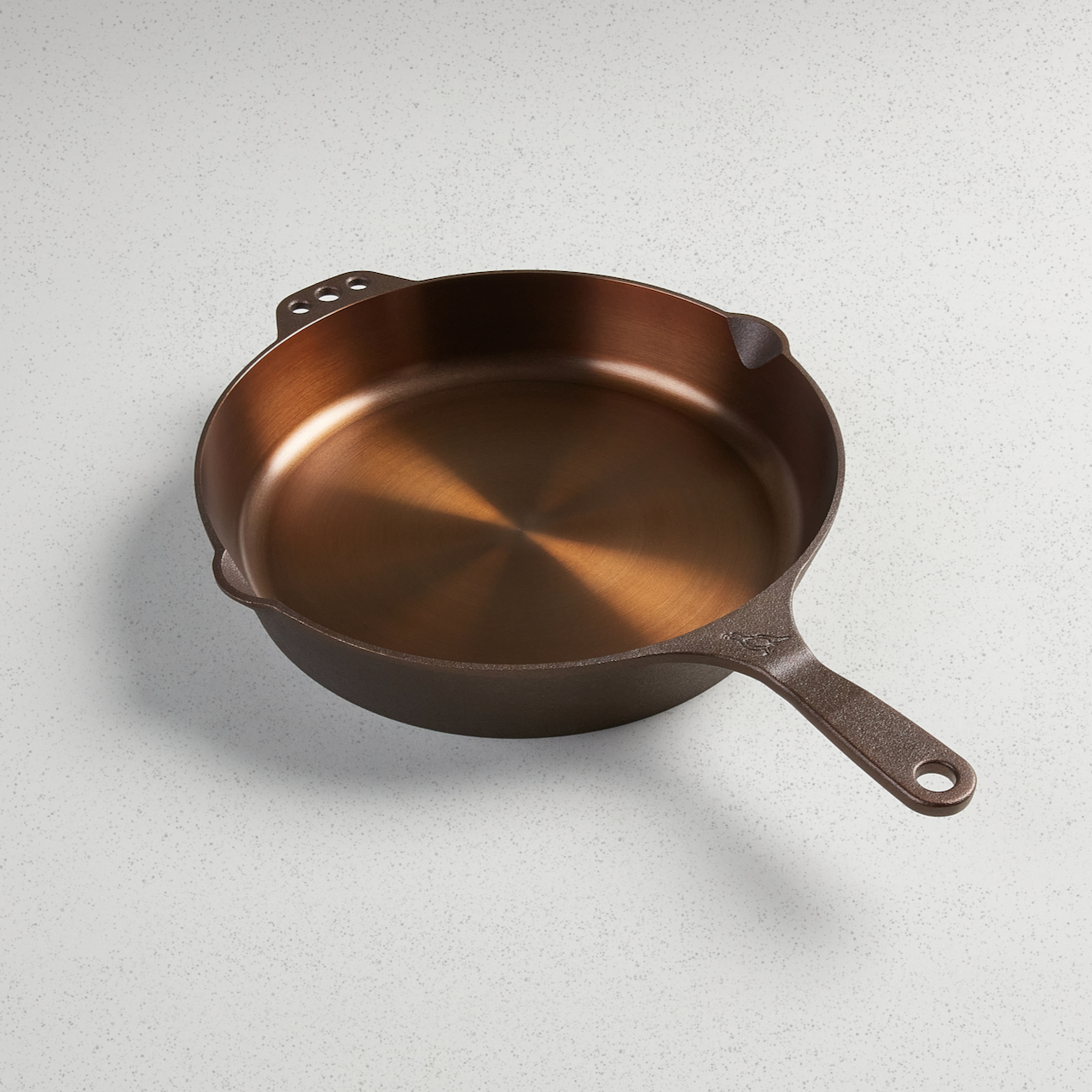
The Secret to Restaurant-Quality Steak at Home: Mastering the Cast Iron Skillet
Imagine a perfectly seared steak, boasting a gloriously crusty exterior, yet yielding to a tender, juicy, and uniformly cooked interior. This isn't just a dream reserved for Michelin-star restaurants; it's an achievable reality right in your own kitchen. The secret lies in a time-honored tradition and a culinary workhorse: the cast iron skillet. Paired with the ingenious stovetop-to-oven cooking method, you can consistently create a restaurant-quality cast iron steak that rivals any steakhouse experience, filling your home with an aroma that signals pure culinary bliss.
For generations, the trusty cast iron skillet has been a cornerstone in kitchens, revered for its ability to transform simple ingredients into extraordinary meals. There's a ritualistic pleasure in preparing a magnificent steak in that well-loved pan, carefully searing it to perfection, and then finishing it gently in the oven to achieve that coveted tenderness and ideal doneness. This dual-stage approach is the ultimate technique for unlocking your steak's full potential.
Why This Stovetop-to-Oven Method Reigns Supreme for Your Cast Iron Steak
The magic behind a truly exceptional cast iron steak cooked using the stovetop-to-oven method isn't just hearsay; it's rooted in fundamental culinary science. This technique provides distinct advantages that thinner, less robust pans simply cannot:
- Unparalleled Heat Distribution and Retention: A heavy cast iron skillet is an exceptional conductor and retainer of heat. Unlike flimsy pans that develop hot spots, cast iron delivers incredibly even heat across its entire surface. This consistency is crucial for creating that magnificent, uniformly crispy crust (the Maillard reaction at its finest!) that locks in all the natural juices and robust flavors of the steak.
- Precision Temperature Control for Perfect Doneness: Starting the steak on the stovetop allows for an aggressive, high-heat sear, developing flavor and texture on the exterior. Finishing it in the controlled, ambient heat of the oven then enables the steak to cook through gently and evenly to your exact preferred doneness, from a blushing medium-rare to a perfectly cooked medium-well, without burning the outside. This two-stage process eliminates the guesswork and the risk of a charred exterior with a raw center.
- Mimicking Professional Kitchen Techniques: This method is the very technique favored by professional chefs in top steakhouses worldwide. It's the secret to achieving that beautifully seared exterior and a tender, uniformly cooked interior that defines a truly great steak.
- Enhanced Flavor Profile with Simple Ingredients: When you start with high-quality ingredients – a superb cut of steak, coarse salt, freshly cracked black pepper, and perhaps a generous pat of butter – the cast iron method allows their true, robust flavors to shine. The intense sear concentrates these natural tastes, celebrating the ingredient rather than masking it. Furthermore, the flavorful "fond" left behind in the pan becomes the perfect base for an effortless, rich pan sauce, adding another layer of restaurant-quality appeal.
- Versatility Across Cuts: Whether your preference leans towards a succulent ribeye, a lean New York strip, or a tender filet mignon, this recipe is wonderfully adaptable. The consistent heat and controlled cooking environment ensure fantastic results every time, regardless of the cut.
Prepping for Perfection: The Foundation of a Great Steak
Before your steak even touches the searing-hot cast iron, a few crucial preparatory steps will set you up for success:
- Choose Wisely: Opt for a high-quality, well-marbled steak about 1 to 1.5 inches thick. Marbling (the white flecks of fat) melts during cooking, infusing the meat with flavor and keeping it moist. Ribeye, New York strip, and sirloin are excellent choices for this method.
- Bring to Room Temperature: Remove your steak from the refrigerator at least 30-60 minutes before cooking. A cold steak hitting a hot pan will cook unevenly, resulting in an overcooked exterior and a raw interior. Allowing it to warm slightly ensures more uniform cooking.
- Pat Dry, Thoroughly: This step cannot be overstated. Use paper towels to meticulously pat every surface of the steak dry. Moisture is the enemy of a good sear, as it creates steam rather than a crust. The drier the surface, the better the Maillard reaction you'll achieve.
- Season Generously: Once dry, season your steak liberally on all sides with coarse kosher salt and freshly ground black pepper. Don't be shy with the salt; much of it will form that flavorful crust. Seasoning just before cooking (or even up to an hour prior) is ideal to draw out surface moisture and infuse flavor.
The Stovetop Sear: Unlocking that Irresistible Crust
This is where the cast iron truly shines, creating the signature crust that defines a great steakhouse steak:
- Preheat Your Skillet: Place your cast iron skillet on high heat for 5-10 minutes until it's smoking hot. A good test is to add a few drops of water; they should evaporate almost instantly.
- Add High Smoke Point Oil: Once hot, add a tablespoon or two of a high smoke point oil (like grapeseed, avocado, or canola oil). Swirl to coat the pan. It should shimmer and possibly smoke lightly.
- Sear Aggressively: Carefully place your seasoned steak in the scorching hot skillet. You should hear an immediate, aggressive sizzle. For a 1-inch thick steak, sear for 2-3 minutes per side. For thicker cuts, you might go slightly longer. Resist the urge to move the steak too soon; let it develop that deep brown, crispy crust. Some chefs advocate for frequent turning (every 30-60 seconds), which can create a more even crust and internal temperature.
- Introduce Aromatics (Optional, but Recommended): After searing both sides, reduce the heat slightly and add a generous pat of butter, several cloves of smashed garlic, and fresh herbs like rosemary or thyme to the pan. Tilt the skillet and continuously baste the steak with the melted herb butter for about 1-2 minutes. This infuses incredible flavor and further enhances the crust. This is also where you can truly elevate your steak with an herb butter baste.
Oven Finish: Achieving Your Perfect Doneness
After the initial stovetop sear and basting, it's time to move your steak to the oven for controlled cooking:
- Transfer to the Oven: Immediately transfer the skillet to a preheated oven (usually 375-400°F or 190-200°C). The oven will gently finish cooking the steak to your desired internal temperature.
- Monitor with a Thermometer: The absolute key to perfect doneness is a good quality instant-read meat thermometer. Insert it into the thickest part of the steak, avoiding bone or fat. Remove the steak from the oven when it's 5-10 degrees below your target temperature, as it will continue to cook while resting (carryover cooking).
- Rare: 120-125°F (49-52°C)
- Medium-Rare: 130-135°F (54-57°C)
- Medium: 135-140°F (57-60°C)
- Medium-Well: 145-150°F (63-66°C)
- Well-Done: 150-155°F (66-68°C)
- The Critical Rest: Once removed from the oven, transfer the steak to a cutting board and let it rest, loosely tented with foil, for 5-10 minutes (longer for thicker cuts). This step is non-negotiable! Resting allows the juices, which have been pushed to the center during cooking, to redistribute evenly throughout the meat, ensuring every bite is tender and juicy. Cutting too soon will result in a dry, less flavorful steak.
- Craft a Simple Pan Sauce (Optional): While the steak rests, you can use the flavorful fond in the pan to whip up a quick sauce. Deglaze the pan with a splash of broth, red wine, or even a bit more butter, scraping up any browned bits. Reduce slightly and season to taste.
Pro Tips for Your Best Cast Iron Steak
- Ventilation is Key: High-heat searing can create smoke. Ensure good ventilation in your kitchen by opening a window or running your range hood.
- Don't Overcrowd the Pan: If cooking multiple steaks, work in batches. Overcrowding the skillet will drop the pan's temperature, leading to steaming rather than searing.
- Know Your Skillet: Every cast iron skillet behaves slightly differently based on its seasoning and age. Pay attention to how yours heats and adjusts cook times accordingly.
- Clean and Re-season: After enjoying your magnificent steak, remember to clean your cast iron skillet properly (no soap unless absolutely necessary, and always dry thoroughly) and re-season it lightly to maintain its non-stick properties and longevity.
The journey from a raw cut of meat to a perfectly cooked, restaurant-quality cast iron steak is a rewarding one. By understanding the science behind the cast iron skillet and embracing the stovetop-to-oven method, you unlock a world of flavor and texture that truly elevates home cooking. This isn't just about preparing a meal; it's about mastering a technique that promises tender, juicy, and beautifully crusted steak every single time. So, fire up that cast iron skillet and prepare to impress yourself and your loved ones with a steak dinner worthy of any special occasion.
