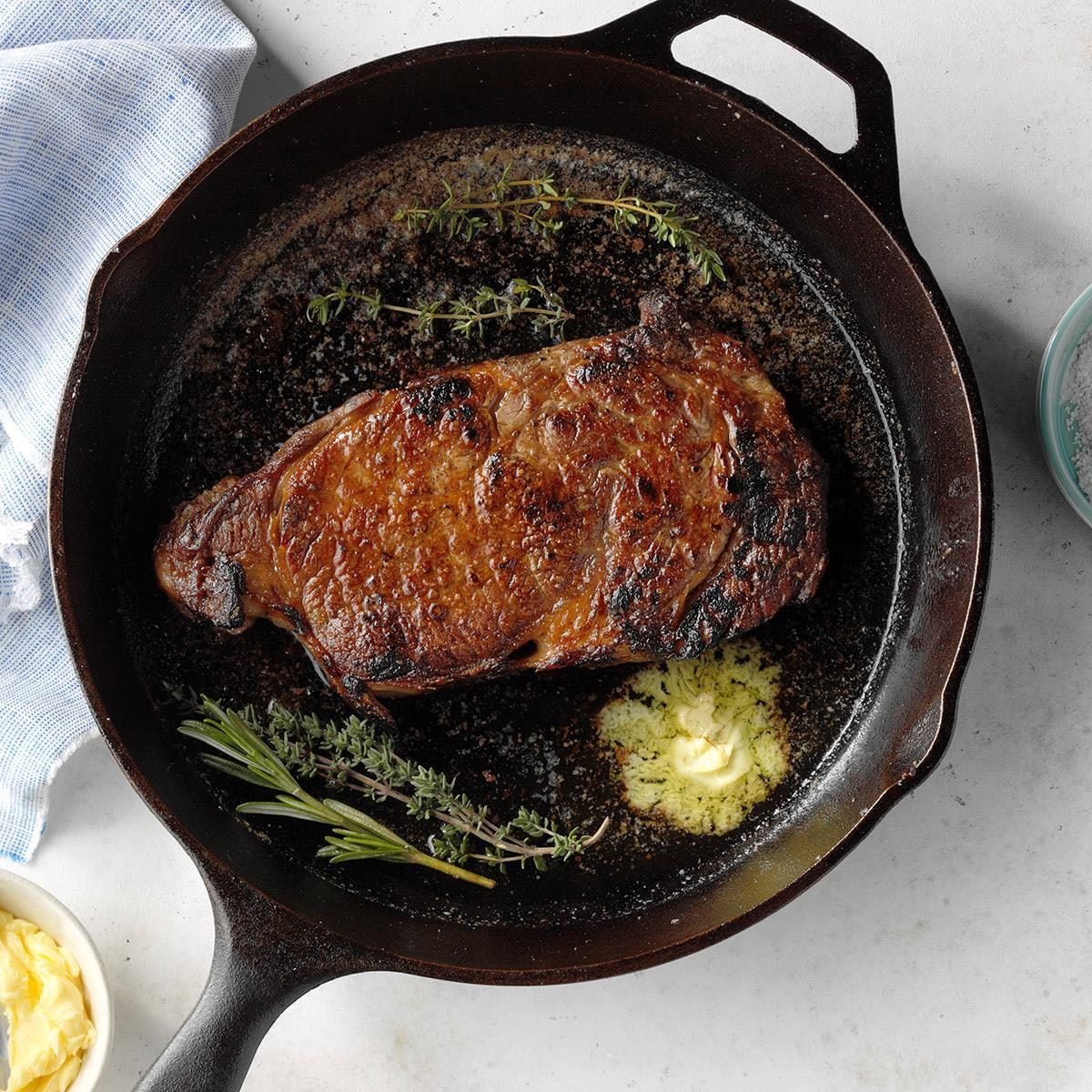
Unlock the Secret to Steakhouse-Quality Cast Iron Steak at Home
Imagine a perfectly seared steak, boasting a gloriously crispy, dark crust that crackles with flavor, yielding to an incredibly tender, juicy interior cooked precisely to your liking. This isn't just a dream reserved for high-end steakhouses; it's a culinary triumph you can achieve in your own kitchen with the magic of a trusty cast iron steak skillet. Far from being a mere cooking vessel, a well-seasoned cast iron pan is a time-honored tool, a secret weapon for home cooks looking to master the art of the perfect sear and a truly juicy finish.
There's a reason why professional chefs swear by this method. The unparalleled heat retention and even distribution of cast iron, combined with the precision of an oven finish, transform a simple cut of beef into an extraordinary meal. Forget guesswork or unevenly cooked meat; this guide will walk you through the science and technique behind creating a memorable cast iron steak every single time, filling your home with an aroma that signals culinary excellence.
Why Cast Iron Reigns Supreme for Steak Perfection
At the heart of every great steak lies a superb sear, and no other pan delivers quite like cast iron. Its unique properties are what make it indispensable for achieving that coveted crust and locking in precious juices. Here’s a closer look at why your cast iron skillet is the ultimate tool for steak:
- Unrivaled Heat Retention & Even Distribution: Unlike thinner pans that fluctuate in temperature, cast iron boasts exceptional thermal mass. Once heated, it stays hot, providing a consistent, high-heat surface that promotes rapid browning and an incredible crust through the Maillard reaction. This ensures that every inch of the steak that touches the pan develops that desirable, savory exterior.
- The Perfect Sear Locks in Flavor: That intense, direct heat creates a magnificent, crispy crust on the steak's surface. This crust isn't just for texture; it acts as a flavorful barrier, preventing moisture from escaping and ensuring the natural juices and robust flavors of the beef are sealed within.
- Professional Two-Stage Cooking: The stovetop-to-oven method is a cornerstone of professional kitchens for a reason. Starting on the stovetop allows for an aggressive, quick sear, while finishing in the oven provides a gentler, more controlled heat environment. This allows the steak to cook evenly throughout to your preferred doneness without risking a burnt exterior or a raw center. It’s the ultimate technique for ensuring a beautifully seared outside and a tender, uniformly cooked interior. For a deeper dive into this professional secret, explore The Restaurant-Quality Cast Iron Steak: Stovetop to Oven Secret.
- Versatility for Various Cuts: Whether your preference leans towards a rich ribeye, a lean New York strip, or a buttery filet mignon, the cast iron steak method is wonderfully adaptable. It brings out the best in each cut, highlighting their individual textures and flavor profiles.
- Foundation for Flavorful Pan Sauces: The browned bits and caramelized drippings left in the hot pan, known as fond, are pure gold. This concentrated flavor forms the base for an effortless, rich pan sauce, elevating your steak dinner from excellent to extraordinary.
Essential Ingredients & Preparation for Your Cast Iron Steak
While the technique is crucial, the foundation of a great cast iron steak starts with quality ingredients. Simplicity is key here, allowing the true flavor of the beef to shine.
- The Steak:
- Cuts: Opt for high-quality, well-marbled cuts like ribeye, New York strip (strip loin), or top sirloin for excellent flavor and tenderness. Filet mignon also works beautifully for a leaner, more tender experience.
- Thickness: Aim for steaks that are 1.25 to 1.5 inches thick. This thickness allows for a great sear before the interior overcooks in the oven.
- Temperature: Remove your steaks from the refrigerator about 30-60 minutes before cooking. While not bringing them to "room temperature" in the literal sense, tempering them slightly allows for more even cooking.
- Pat Dry: This is non-negotiable! Use paper towels to thoroughly pat both sides of the steak dry. Moisture on the surface inhibits searing and results in steaming, not browning.
- Seasoning: Keep it simple but impactful.
- Coarse Salt: Use kosher salt or sea salt generously. The larger granules help draw moisture out of the surface, enhancing the crust, and provide excellent flavor.
- Freshly Ground Black Pepper: Grind it fresh for the most pungent aroma and taste.
- Beyond Basics: While salt and pepper are fundamental, you can certainly add garlic powder, onion powder, or a dash of your favorite steak rub for extra complexity.
- Fats & Flavor Boosters:
- High Smoke Point Oil: Grapeseed, avocado, or canola oil are excellent choices for searing as they can withstand high temperatures without burning.
- Butter: Unsalted butter is perfect for basting. It adds richness and helps create that beautiful golden-brown crust.
- Fresh Herbs & Garlic: Sprigs of rosemary and thyme, along with smashed garlic cloves, added to the pan during the basting phase infuse the butter with incredible aromatic flavors. This step is a game-changer for enhancing your cast iron steak. For an in-depth guide to this flavorful technique, see Elevate Your Steak: Herb Butter Basted Cast Iron Perfection.
Mastering the Technique: Stovetop to Oven Perfection
This is where the magic happens. Follow these steps for an impeccable cast iron steak:
- Preheat Oven & Skillet: Preheat your oven to 400-450°F (200-230°C). Place your cast iron skillet on the stovetop over medium-high to high heat. Allow it to heat for 5-10 minutes until it's smoking hot. A hot pan is crucial for an immediate, hard sear.
- Season Your Steak: While the pan heats, generously season both sides and the edges of your patted-dry steak with coarse salt and freshly ground black pepper. Don't be shy!
- Add Oil & Sear: Once the skillet is smoking, add 1-2 tablespoons of high smoke point oil. Swirl to coat the pan. Carefully place the seasoned steak into the hot skillet. It should sizzle aggressively. Sear for 2-3 minutes per side for a deep, dark crust. You might also sear the edges for 30-60 seconds each.
- Add Butter & Aromatics (Basting): Reduce heat slightly to medium. Add 2-3 tablespoons of unsalted butter to the pan, along with fresh rosemary, thyme, and smashed garlic cloves. As the butter melts and foams, tilt the pan slightly and use a spoon to continuously baste the steak with the flavorful butter for another 1-2 minutes. This infuses the steak with incredible aroma and helps build an even crust.
- Finish in the Oven: Immediately transfer the skillet to the preheated oven. Cook until your desired internal temperature is reached. Use an instant-read meat thermometer inserted into the thickest part of the steak, avoiding bone:
- Rare: 120-125°F (49-52°C)
- Medium-Rare: 130-135°F (54-57°C)
- Medium: 135-140°F (57-60°C)
- Medium-Well: 140-145°F (60-63°C)
- Rest, Rest, Rest!: This is arguably the most crucial step for a juicy steak. Remove the steak from the skillet and place it on a cutting board or warm plate. Tent loosely with foil and let it rest for 5-10 minutes. During this time, the muscle fibers relax, allowing the juices that have migrated to the center to redistribute throughout the entire steak, ensuring every bite is succulent.
- Slice and Serve: After resting, slice your cast iron steak against the grain for maximum tenderness. Drizzle with any remaining pan juices or a quick pan sauce made from the fond.
Elevating Your Cast Iron Steak Experience
Once you've mastered the basic technique, there are endless ways to customize and enhance your cast iron steak:
- Craft a Quick Pan Sauce: While your steak rests, return the skillet to the stovetop over medium heat. Deglaze the pan with a splash of red wine, beef broth, or even a little water, scraping up all the flavorful fond. Reduce slightly, whisk in a knob of butter, and season to taste for an instant, rich sauce.
- Pairing Perfection: Serve your masterpiece with complementary sides. Think creamy mashed potatoes, roasted asparagus, sautéed mushrooms, or a fresh green salad.
- Troubleshooting Common Issues:
- No Crust? Your pan wasn't hot enough, or your steak wasn't dry enough.
- Dry Steak? You overcooked it, or didn't allow it to rest properly.
- Smoking Too Much? Ensure proper ventilation and use an oil with a high smoke point. Some smoke is normal for a hot pan, but excessive smoke may indicate too much oil or a pan that's *too* hot for the oil type.
Cooking a cast iron steak is more than just following a recipe; it's an experience. It's about connecting with a time-honored cooking tradition and unlocking incredible flavors with simple ingredients and a reliable piece of cookware. With a little practice, your trusty cast iron skillet will become your secret weapon for creating restaurant-quality steaks that impress every time. So, grab your skillet, choose your favorite cut, and get ready to enjoy the perfect sear and juicy finish that only a cast iron steak can deliver.
