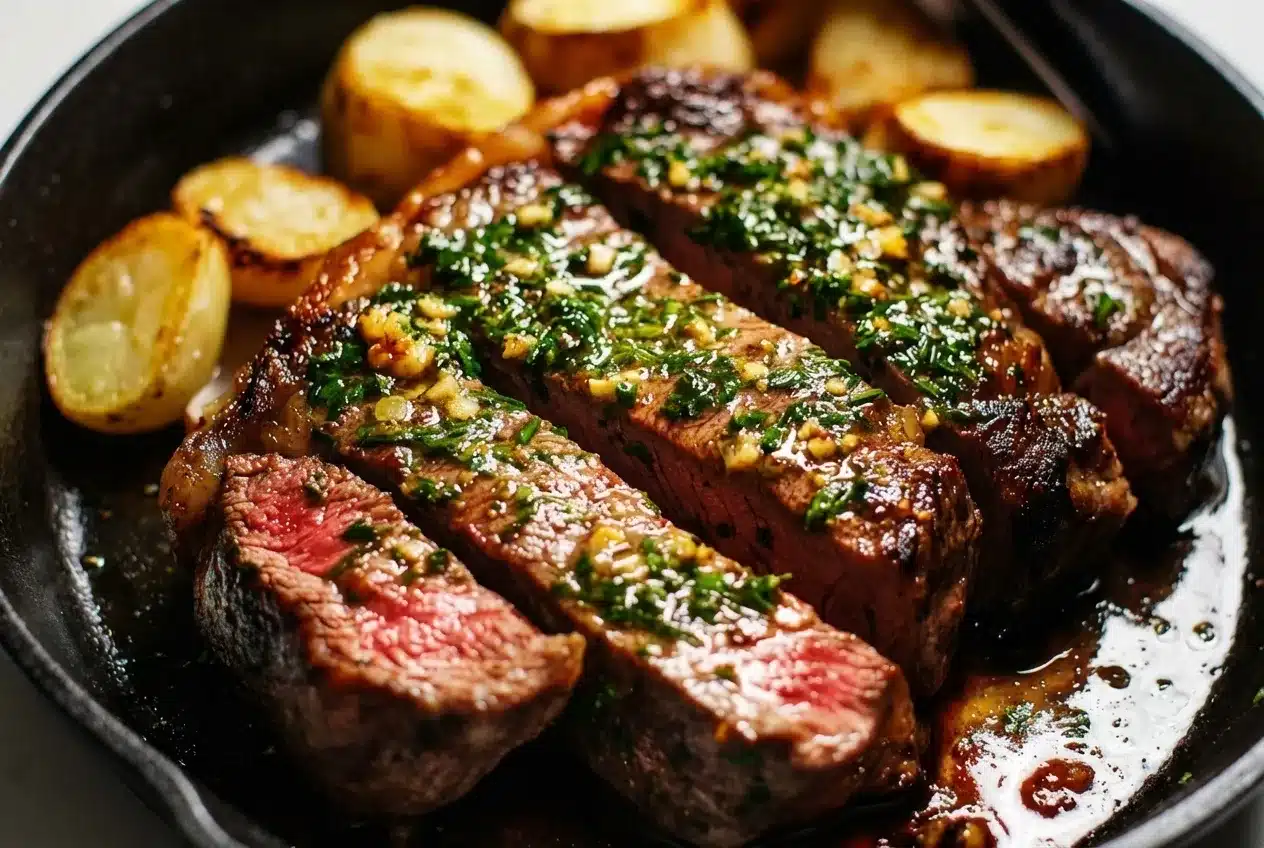
Elevate Your Steak: Herb Butter Basted Cast Iron Perfection
Imagine the sizzle, the rich aroma of seared beef mingled with fragrant herbs, and the promise of a perfectly cooked steak – all achieved from the comfort of your own kitchen. For many culinary enthusiasts, the humble yet mighty cast iron skillet isn't just a cooking tool; it's a gateway to recreating restaurant-quality meals, especially when it comes to steak. Paired with the luxurious touch of a herb butter basting technique, preparing a steak in a cast iron skillet transforms a simple meal into an extraordinary culinary experience that rivals any high-end steakhouse.
There's a reason why professional chefs and home cooks alike swear by the cast iron steak method. It’s a time-honored technique, passed down through generations, that consistently delivers a steak with an exquisite, deeply browned crust and a tender, juicy interior. When you introduce the final flourish of a fragrant herb butter baste, you're not just cooking; you're infusing every millimeter of that magnificent cut of beef with layers of savory, aromatic flavor. This article will guide you through mastering this technique, ensuring every steak you cook is nothing short of perfection.
Why Cast Iron Reigns Supreme for Steak
At the heart of every truly great steak lies the power of intense, consistent heat. This is precisely where the cast iron skillet shines, setting it apart from virtually any other cookware. Unlike thinner pans that fluctuate in temperature, cast iron boasts an unparalleled thermal mass, meaning it absorbs and retains heat exceptionally well. This characteristic is critical for several reasons:
- Superior Searing: When a steak hits a screaming hot cast iron surface, the intense, even heat distribution instantly creates a robust, deeply caramelized crust – the coveted Maillard reaction. This crust is not just about aesthetics; it locks in the natural juices and concentrates the beefy flavors, creating a textural contrast that's irresistible. Thinner pans simply cannot achieve this level of searing efficiency, often leading to a grey, less flavorful exterior.
- Even Cooking: The consistent heat ensures that every part of the steak in contact with the pan sears uniformly, preventing hot spots and uneven browning. This foundation is essential before transferring the steak for its oven finish.
- Durability and Longevity: A well-seasoned cast iron skillet is virtually indestructible, a culinary heirloom that can last for decades, improving with every use. Its natural non-stick properties, developed through proper seasoning, also make it an ideal surface for delicate searing without sticking.
Choosing your cast iron skillet for steak means choosing a partner that delivers consistent excellence and an unshakeable foundation for truly magnificent results.
The Art of the Perfect Sear: Mastering the Stovetop Technique
Achieving that glorious, deeply browned crust on your cast iron steak begins with meticulous preparation and precise stovetop technique. This is where flavor development truly takes hold:
- Room Temperature & Pat Dry: Always start with a steak that has come to room temperature for at least 30-60 minutes. A cold steak hitting a hot pan will drop the pan's temperature too quickly and cook unevenly. Just before cooking, pat your steak thoroughly dry with paper towels. Moisture on the surface will steam the steak rather than sear it, inhibiting crust formation.
- Generous Seasoning: Use coarse salt (like kosher salt or sea salt) and freshly cracked black pepper. Season generously on all sides. The coarse texture helps create a magnificent crust. Some chefs advocate salting hours in advance to draw out moisture and allow reabsorption, while others prefer just before cooking. Experiment to find your preference.
- Preheat the Skillet: Place your cast iron skillet over medium-high to high heat. Allow it to preheat for at least 5-10 minutes until it’s smoking slightly. This is non-negotiable for a proper sear. Add a high smoke point oil like grapeseed, avocado, or canola oil just before adding the steak.
- The Sizzle & Sear: Carefully place the steak in the hot, oiled skillet. You should hear an immediate, aggressive sizzle. For most cuts, sear for 2-3 minutes per side, developing that rich, dark brown crust. Don't crowd the pan if cooking multiple steaks; cook them in batches if necessary. For more details on this crucial step, read our comprehensive guide on Cast Iron Steak: How to Get a Perfect Sear & Juicy Finish.
The initial stovetop sear is paramount; it’s the foundation upon which all other flavors and textures are built. It's the moment the magic of the Maillard reaction truly elevates the beef.
The Herb Butter Baste: A Symphony of Flavor
Once your steak has developed a beautiful sear on both sides, it's time to introduce the element that truly elevates this dish: the herb butter baste. This technique not only infuses the steak with incredible flavor but also contributes to its overall juiciness and even cooking.
- Lower the Heat: After the initial sear, reduce the stovetop heat to medium-low.
- Add Aromatics: Add a generous knob of unsalted butter to the pan. As it melts and begins to foam, toss in aromatic elements like crushed garlic cloves (skin on or off, as you prefer) and fresh sprigs of hardy herbs such as rosemary and thyme. These release their essential oils and distinctive fragrances into the melting butter.
- The Basting Process: Tilt the skillet slightly and, using a large spoon, continuously baste the melted, herb-infused butter over the top of the steak. Spoon the butter over every surface, making sure to coat the sides as well. This process should take about 1-2 minutes, depending on the thickness of your steak and how much internal cooking you want to achieve on the stovetop. The continuous application of hot fat aids in even cooking and creates a glossy, flavorful exterior.
The herb butter baste is more than just a flavor enhancer; it's an interactive part of the cooking process that builds depth, richness, and an irresistible aroma, promising a mouth-watering result.
Achieving Flawless Doneness: The Stovetop to Oven Transition
The final stage of cooking your cast iron steak involves a crucial transition from stovetop to oven, allowing for precise temperature control and uniform doneness throughout. This two-stage method is a hallmark of professional steak preparation, ensuring your steak is cooked perfectly without burning the exterior.
- Oven Finish: After the searing and basting, transfer the entire cast iron skillet (handle and all, assuming it’s oven-safe) to a preheated oven (usually 375-400°F or 190-200°C). The oven’s ambient heat will gently and evenly raise the internal temperature of the steak without further searing the crust. The cooking time will vary greatly depending on the steak's thickness and your desired doneness.
- Monitor Internal Temperature: This is where a good instant-read meat thermometer becomes your best friend. Insert it into the thickest part of the steak, away from the bone. Pull the steak from the oven when it reaches about 5-10°F (3-6°C) below your target temperature, as it will continue to cook while resting (this is called carryover cooking).
- Rare: 125-130°F (52-54°C)
- Medium-Rare: 130-135°F (54-57°C)
- Medium: 135-140°F (57-60°C)
- Medium-Well: 140-145°F (60-63°C)
- Well-Done: 150°F+ (66°C+)
- The Essential Rest: Once your steak reaches the desired temperature, immediately transfer it to a cutting board. Crucially, let it rest for at least 5-10 minutes (longer for thicker cuts) before slicing. This resting period allows the muscle fibers to relax and reabsorb the juices that have been pushed to the center during cooking, resulting in a significantly more tender and succulent steak. Skipping this step is a common mistake that leads to dry steak.
The stovetop to oven method ensures a beautifully seared exterior and a uniformly cooked, juicy interior every single time. For an in-depth exploration of this technique, check out The Restaurant-Quality Cast Iron Steak: Stovetop to Oven Secret.
Beyond the Pan: Tips for Cast Iron Steak Perfection
While the core technique is straightforward, a few additional tips can truly elevate your herb butter basted cast iron steak to legendary status:
- Choosing Your Cut: This method works beautifully with a variety of cuts. Ribeye, with its generous marbling, renders incredibly tender and flavorful results. New York Strip offers a satisfying chew and robust beef flavor. Even leaner cuts like Filet Mignon benefit from the intense sear and basting, ensuring maximum flavor and moisture retention. Choose a steak that is at least 1 to 1.5 inches thick for the best results and easier temperature control.
- Quality Ingredients: Start with the best quality steak you can afford. Look for good marbling (the white flecks of fat within the muscle), which renders down to provide flavor and moisture. Use high-quality butter and fresh herbs for the basting process – the difference is palpable.
- Don't Waste the Fond: After cooking your steak, your cast iron skillet will be left with a beautiful "fond" – the caramelized bits of meat and seasoning stuck to the bottom. This is pure flavor gold! Deglaze the pan with a splash of wine, broth, or even water, scraping up the fond with a wooden spoon, to create an instant, incredibly rich pan sauce to drizzle over your sliced steak. Add a touch more butter or a swirl of cream for extra decadence.
- Cleaning & Care: After enjoying your magnificent steak, ensure your cast iron skillet is properly cleaned and re-seasoned. Scrape off any stuck-on bits, wash with hot water (a tiny bit of soap is fine if you re-season), dry thoroughly on the stovetop, and then apply a thin layer of cooking oil before storing. This ensures your skillet is ready for its next culinary adventure.
Conclusion
Mastering the art of cooking a cast iron steak, complete with a luxurious herb butter baste and a precision stovetop-to-oven finish, is a truly rewarding culinary skill. It transforms a simple cut of meat into a show-stopping meal, rich in flavor, texture, and aroma. By understanding the unique properties of cast iron, executing a flawless sear, infusing flavor with a fragrant butter baste, and controlling doneness with confidence, you unlock the secret to restaurant-quality steak in your own home. So, gather your ingredients, fire up your skillet, and prepare to elevate your steak dinner to a level of perfection you never thought possible. Happy cooking!
